Regular eye tests aren’t just about updating your prescription — they’re an important part of protecting your long-term eye health. In this article, we explain how often you should have your eyes checked and why early detection matters, even if your vision feels fine.
Many people assume they only need an eye test when their vision starts to feel “off.” But regular eye examinations are about much more than just updating your glasses or contact lens prescription. They play a vital role in maintaining long-term eye health — often detecting issues long before symptoms appear.
So how often should you really get your eyes checked? The answer depends on your age, lifestyle, and overall eye health.
Why Regular Eye Exams Matter
Eye tests don’t just measure how clearly you can see. During an examination, your optometrist assesses the health of your eyes, checking for early signs of conditions such as glaucoma, macular degeneration, cataracts, and retinal disease.
Many eye conditions develop slowly and painlessly. By the time symptoms are noticeable, damage may already be advanced. Regular check-ups allow problems to be identified early, when treatment and management options are most effective.
How Often Should Adults Have an Eye Test?
For most adults with healthy eyes and no known risk factors, a comprehensive eye examination every two years is generally recommended.
However, you may need more frequent testing if you:
- Wear glasses or contact lenses
- Have a family history of eye disease
- Have diabetes or other health conditions affecting the eyes
- Notice changes in vision, headaches, or eye discomfort
Your optometrist will always advise a schedule tailored to your individual needs.
Children’s Eye Tests: Why Early Checks Are Essential
Children’s eyes develop rapidly, and vision issues can impact learning, concentration, and confidence — often without a child realising anything is wrong.
It’s generally recommended that children have:
- An eye test before starting school
- Regular checks every one to two years during school years
Early detection can make a significant difference to visual development and academic performance.
Screen Time, Lifestyle & Modern Eye Strain
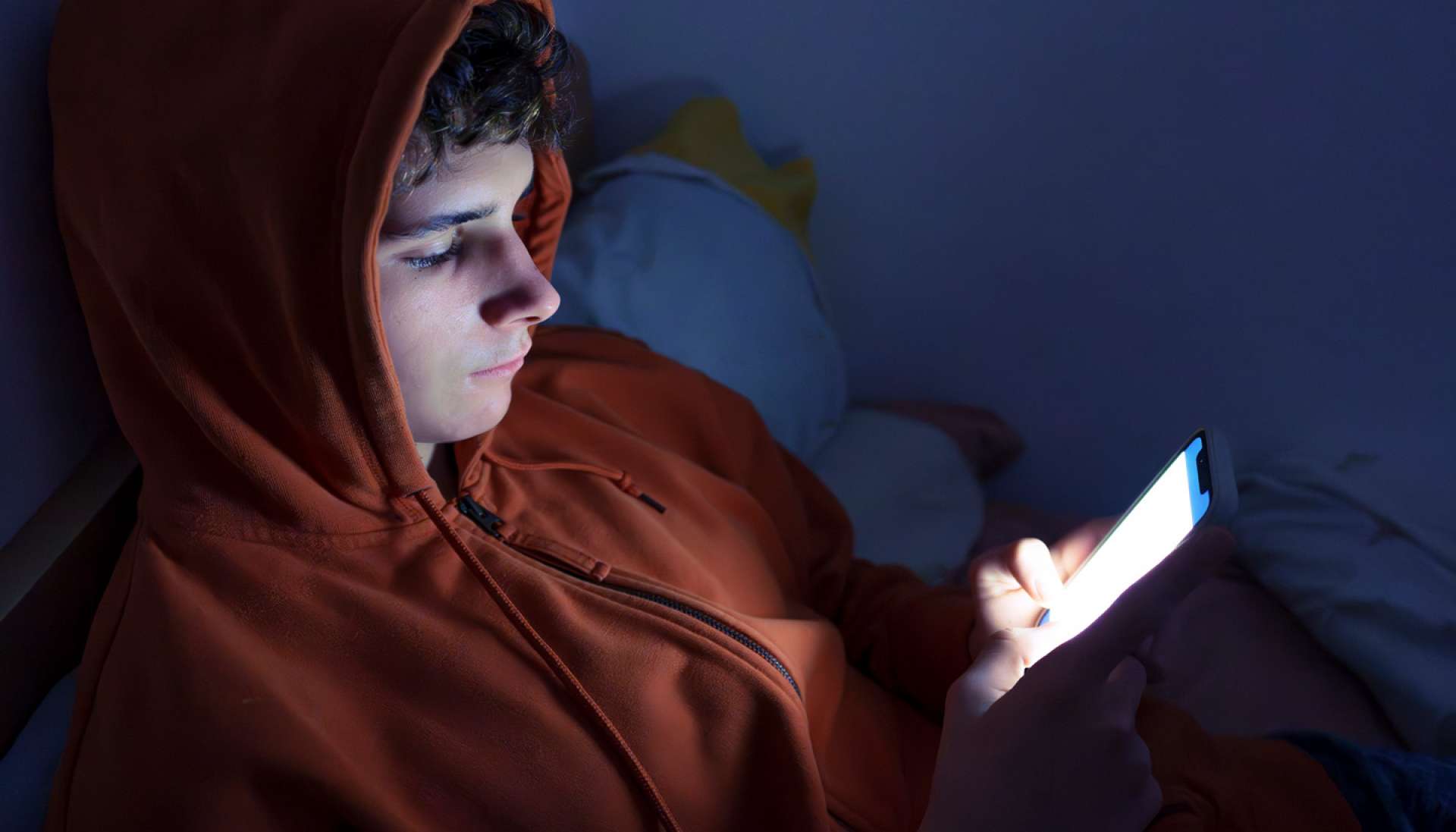
In today’s digital world, many people spend long hours in front of screens. Prolonged screen use can contribute to digital eye strain, dry eyes, blurred vision, and headaches.
If you work on a computer, use devices frequently, or notice tired eyes by the end of the day, regular eye examinations can help identify whether lenses, coatings, or simple habit changes could improve comfort and visual clarity.
When Should You Book an Eye Test Sooner?
You should arrange an eye examination promptly if you experience:
- Sudden changes in vision
- Frequent headaches or eye strain
- Blurred, double, or fluctuating vision
- Eye pain, redness, or irritation
- Difficulty seeing at night
These symptoms don’t always indicate something serious, but they should never be ignored.
A Personalised Approach to Eye Care
Everyone’s eyes — and lifestyle — are different, which is why eye care should never be one-size-fits-all. A personalised approach means understanding how you use your vision day to day, from work and screen time to driving, sport, and time outdoors.
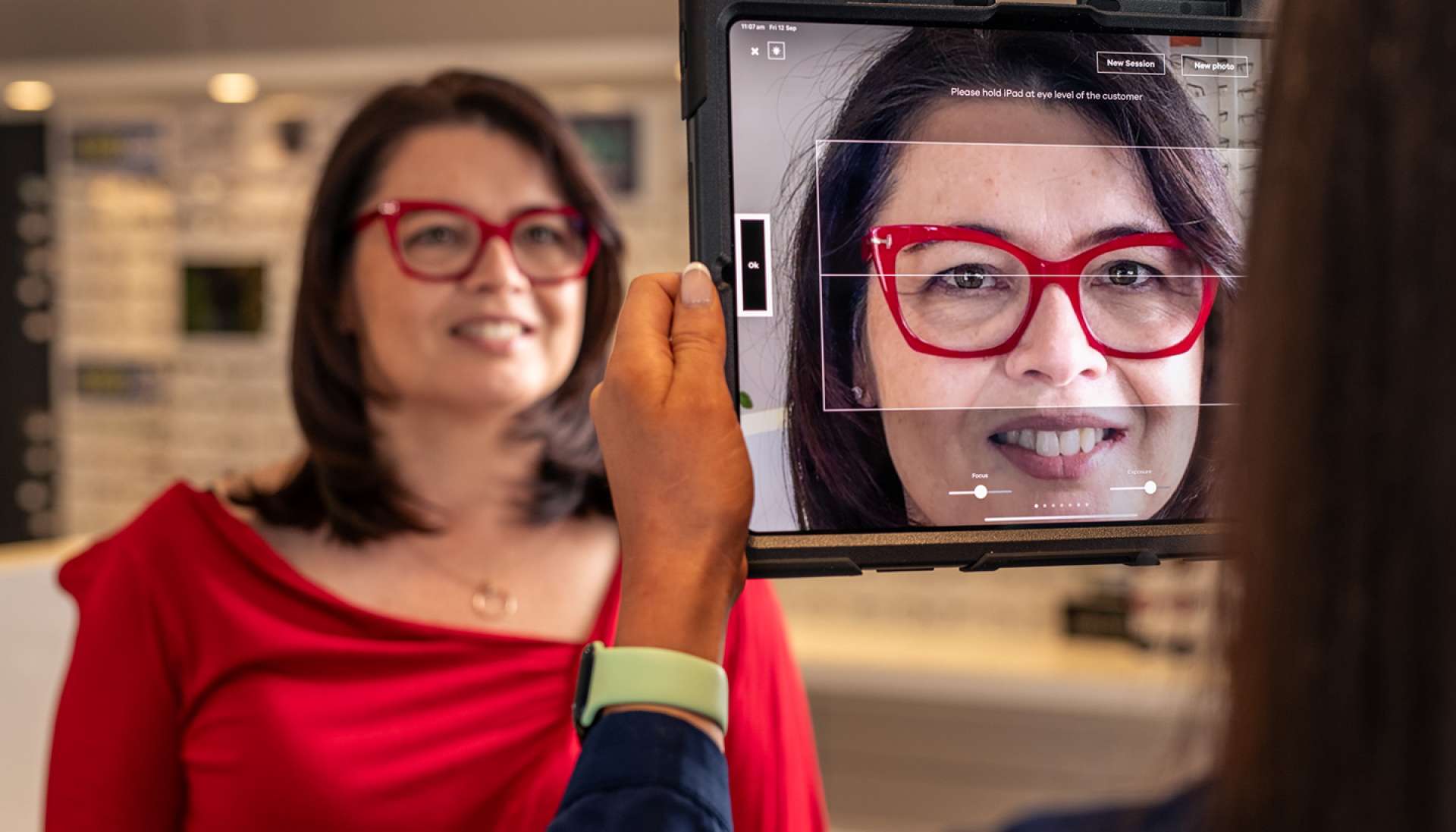
At Evolve Optometry, eye examinations are never rushed. Your optometrist takes the time to understand your visual history and current needs before recommending solutions tailored specifically to you. This ensures your vision is not only clear, but comfortable and sustainable over the long term.
Personalised care also allows subtle changes in eye health to be monitored early, helping protect your vision now and into the future.
Looking After Your Eyes for the Long Term
Even if your vision feels perfectly fine, regular eye tests are one of the simplest and most effective ways to protect your eyesight for the future. Prevention, early detection, and personalised care make all the difference.
If it’s been a while since your last eye examination, booking a check-up is a small step that can have a lasting impact on your eye health.